Remarkable Feline Instincts: How Domestic Cats Detect Household Hazards & Human Distress
From ultrasonic hearing that catches electrical arcs before smoke alarms to acute olfactory sensitivity, why cats wake sleeping owners during emergencies.
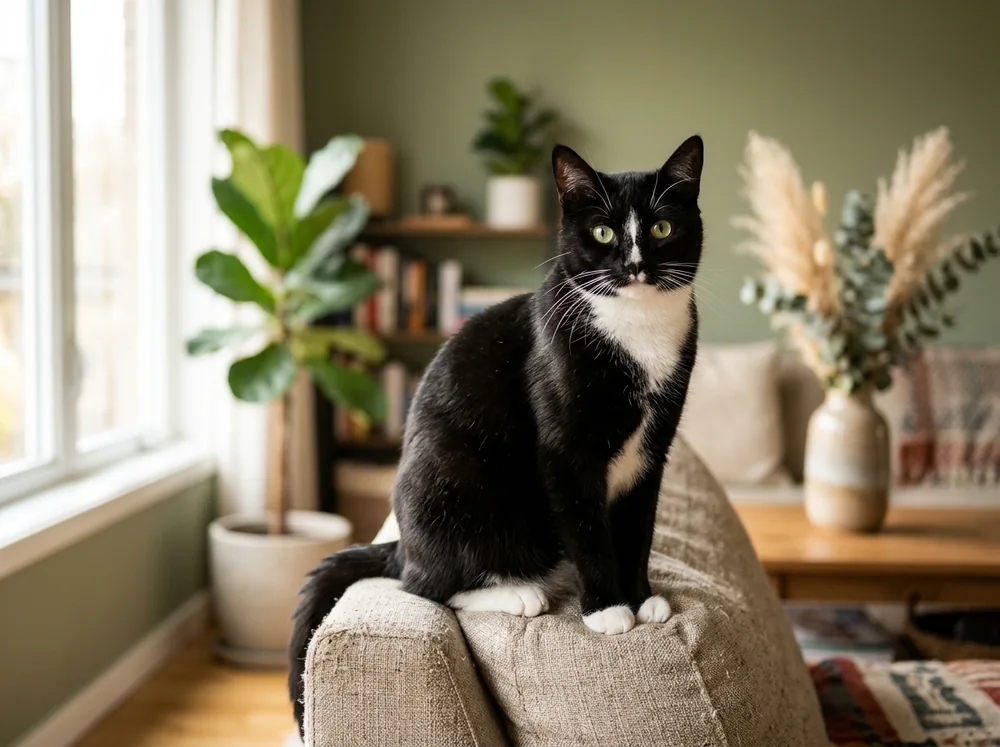
Key Veterinary Takeaways
- Cats hear frequencies up to 64 kHz—nearly triple human range—detecting gas hiss and wiring faults early.
- 200 million olfactory receptors allow cats to notice subtle metabolic odor changes during hypoglycemia.
- Sudden insistent pawing at a sleeping owner's face or bedroom door should always be investigated.
Cats carry an unearned reputation as indifferent roommates, yet veterinary history and local fire departments regularly document domestic cats pawing frantically at sleeping family members minutes before carbon monoxide detectors or smoke alarms sound.
Sensory Superpowers Behind "Hero Cat" Stories
Rather than mystical intuition, feline early-warning behavior stems from extraordinary sensory hardware:
- Ultrasonic Hearing Range: While adult humans hear up to roughly 20 kilohertz and dogs reach ~45 kHz, a cat's rotatable pinnae capture sounds up to 64 kHz. Pressurized gas leaks, smoldering wall-outlet arcs, and shifting structural timbers emit high-frequency hiss long before visible flames appear.
- Volatile Organic Compound (VOC) Detection: With roughly two hundred million scent receptors and a dedicated vomeronasal (Jacobson's) organ, cats detect tiny shifts in human sweat and breath chemistry—such as the fruity acetone scent of diabetic ketoacidosis or nocturnal blood-sugar drops.
Nurturing Your Cat's Observational Bond
Cats bonded closely through predictable play routines and respectful handling—see our guide on decoding feline trust signals—pay remarkably close attention to household patterns, alerting their humans the moment routines or scents feel wrong.